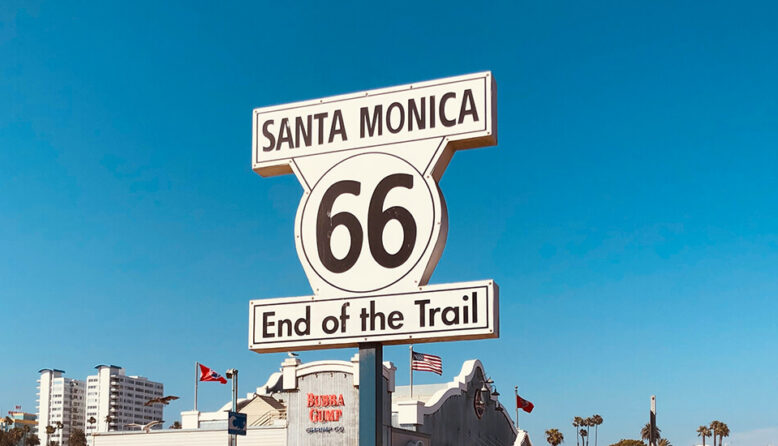

In 2026, the ultimate American road trip, Route 66, turns 100. For a full century, the “Mother Road” has been the go-to path for dreamers and rebels heading west, not to mention television presenters, influencers, and anyone else who loves to tell a good story with even better visuals. But while the neon signs of the desert get a lot of the glory, there’s also real magic to be found at the route’s bookends.
At HI USA, we’re lucky enough to call the two ends of the route — Chicago and Santa Monica — home. So, while we may not have a hostel in the middle of the Mojave, we’ve got your back at the start and finish lines. Our hostels’ neighborhoods grew up alongside Route 66, and we love pointing travelers toward the local landmarks that have been part of the landscape since the very beginning. If you want to see these cities through the eyes of the first road trippers to head west, these are the original 1920s haunts to check out before you leave Chicago or once you roll into Los Angeles.
Chicago: The Starting Line
Before the first Route 66 signs went up at the corner of Jackson and Michigan, Chicago was already a city of massive ambition. To get a feel for the energy of 1926, visit these spots that defined the era.
Union Station
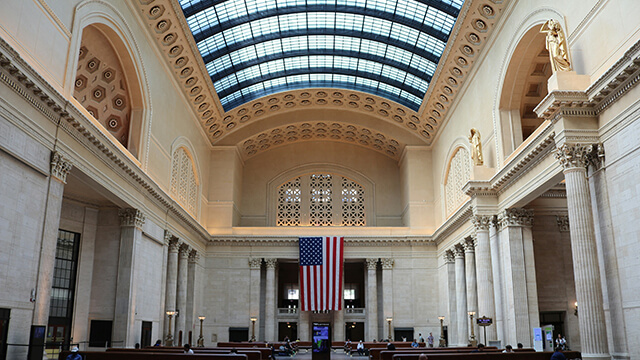
Before Route 66 became a viable way to move west, travelers arrived in and left the city via train at Union Station. Completed in 1925, just a year before Route 66 opened, station’s Great Hall is a stunning piece of Beaux-Arts architecture. Standing under its massive skylight puts you in the footsteps of fellow Pacific-bound travelers from a hundred years ago.
The Berghoff
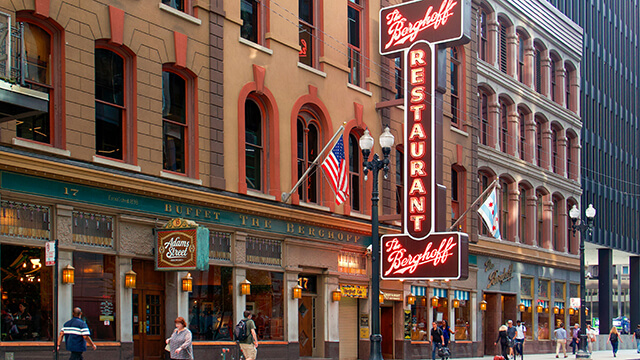
For a literal taste of history just a few blocks from HI Chicago hostel, The Berghoff is a must. Following the end of Prohibition in 1933, the city of Chicago issued its very first liquor license to The Berghofff, though the restaurant itself dates back much further.
Green Door Tavern
For something even more evocative of the 1920s, head to the Green Door Tavern (est. 1921). During the roaring ’20s, the green door that gave the establishment its name signaled that “refreshments” were available inside despite the law. It remains one of the most authentic slices of old Chicago you can find, with many of the bar’s fixtures and flourishes dating back to the its early years.
The Green Mill
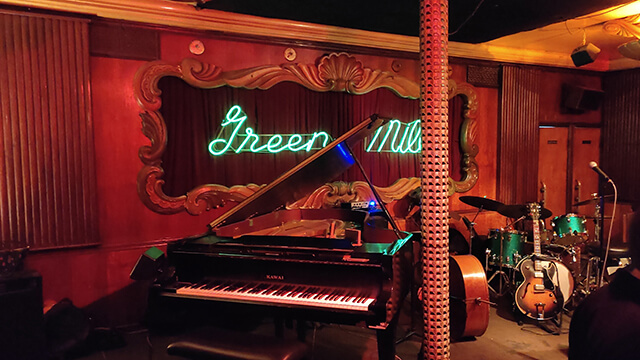
A perfect way to immerse yourself in the 1926 vibe is through sound at a jazz club. The Green Mill in the Uptown neighborhood was a regular haunt for notorious gangster Al Capone, and still looks much as it did a century ago with its cash-only bar and dimly lit booths.
The Village
Now part of a larger group of Italian restaurants all sharing one location in the Loop neighborhood, The Village has been a local favorite for Italian-American meals since it opened in 1927. Family-owned since its opening, The Village is known for its warm and nostalgic environment, as well as its food.
Margie’s Candies

First established in Bucktown in 1921, this enduring icon has been serving ice cream sundaes for over 100 years, hosting everyone from local legends to The Beatles. They’re also known for their hand-dipped chocolates, so bring your sweet tooth.
The Chicago Architecture Center
Chicago’s long been known for its architecture, but the 1920s were particularly good to the city’s skyline. Many of the decade’s Art Deco buildings are still standing and open to visitors. One of the best ways to experience them is on a tour with the Chicago Architecture Center, a nonprofit that runs both walking and boat tours led by super knowledgeable and passionate volunteers. The Center also has a permanent space about a 20-minute walk from the hostel with exhibitions and scale models celebrating historic and architecturally significant local buildings.
The Shedd Aquarium
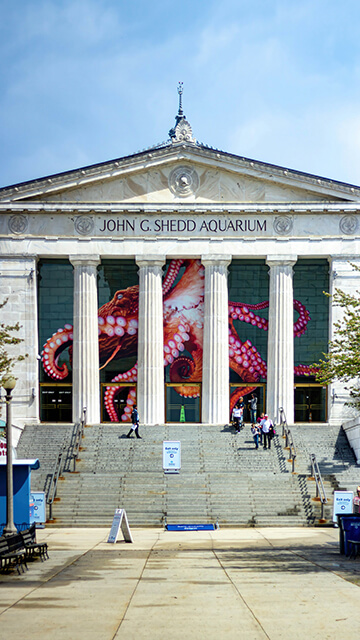
To see the city’s 1920s-era grand vision for the city’s lakefront, visit the Shedd Aquarium (opened in 1930, but designed throughout the late ’20s). It’s a massive, neoclassical piece of the city’s history right on Lake Michigan.
Los Angeles: The Finish Line
Reaching the Pacific coast isn’t just about taking your photo with the “End of the Trail” sign; it’s about the reward of the California sunshine and the salty ocean breeze. Start in Santa Monica, then branch out to more of greater LA area to see 1920s landmarks representing the “promised land” for travelers a century ago.
The Santa Monica Pier
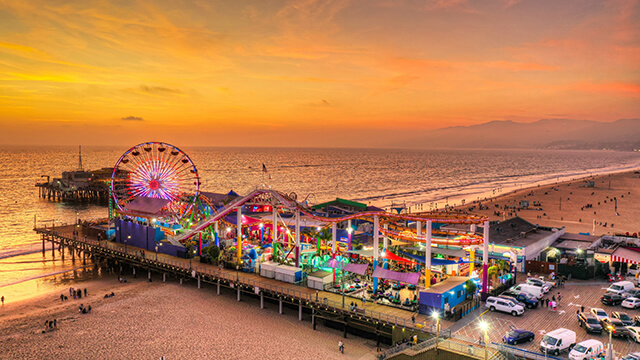
The pier is the ultimate finish line for Route 66 drivers. While the pier began its story about a decade before Route 66, it really picked up steam in the 1920s, with its first roller coaster and other amusement park attractions popping up around 1924. Don’t worry, the roller coaster has since been replaced with a more modern ride. But the pier’s original Looff Hippodrome, home to its carousel, is still open for business. However you choose to spend your time on the pier, it’s the perfect place to watch the waves and reflect on the 2,400 miles you’ve just put behind you.
Barney’s Beanery
Barney’s Beanery moved to its location along Route 66 in 1927, serving as a rowdy roadhouse for travelers and locals alike. In the century since, it’s seen regular visits from stars like Janis Joplin and Quentin Tarantino, served as a filming location for movies including The Doors and Grease, and attracted a loyal fanbase of everyday Angelenos. Note, while Barney’s Beanery now has a location just a few blocks from the hostel in Santa Monica, you’ll have to visit its original 1927 location in West Hollywood for that true time-capsule feel.
El Cholo
Mexican restaurant El Cholo, opened in 1923, played a massive role in popularizing Mexican-American cuisine in the region. While the restaurant now has several locations (including one in Santa Monica), the Mid City location is the 1920s original, and still boasts its original stove and fireplace.
Adamson House
Just up the coast in Malibu is the Adamson House, a stunning example of Mediterranean Revival architecture built right as the Route 66 era was hitting its stride. The 1929 home is famous for its intricate, vibrant tile work, all of which was produced locally during the same years the Mother Road was being paved. Today, the house and grounds constitute a historic landmark operated by the State Parks, which you can tour on your own or on a guided tour for a modest admission fee.
Ready to Hit the Road?
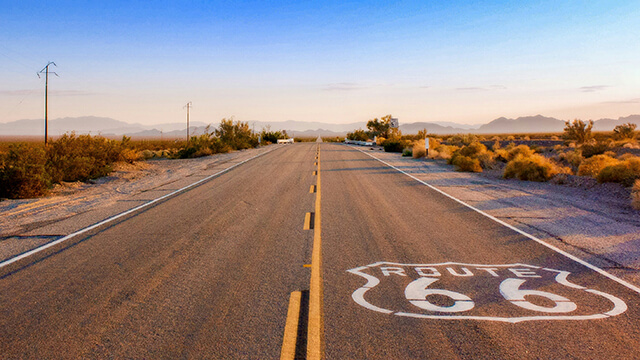
Road trips are ultimately about the people you meet along the way. At HI Chicago hostel and HI Los Angeles Santa Monica hostel, you’re part of a community of global travelers seeking adventure, connection, and memories – just like you.
Whether you’re eagerly awaiting the start of your journey in Chicago, or celebrating 2,400 miles of road behind you in Santa Monica, we’re the perfect home base for the journey.