

In a Nutshell
The “hostel experience” isn’t one size fits all, and picking the right vibe is the secret to a great trip. Party hostels are perfect for social butterflies and night owls looking for built-in nightlife, while classic hostels prioritize community, shared kitchens, and a solid night’s sleep. To help you find the stay you actually want, this guide breaks down how to read between the lines of property descriptions, photos, and guest reviews so you can spot the difference between a party zone and a chill communal sanctuary before you hit “book.”
________________________________________________________________________________________________________________
After years of traversing the globe and calling dozens of different hostels home for days, weeks, or even months at a time, I’ve learned that the “hostel experience” is anything but universal. I’ve spent nights in high-energy party hostels where the bass didn’t stop until 4 a.m., and I’ve woken up in quiet, historic hostels to the sound of the ocean and the smell of fresh coffee in a shared kitchen. Neither style is inherently better, but as a seasoned traveler, I know that the vibes in the place you stay can make or break your trip. So, in this guide, we’ll take a deep dive into the differences between party hostels and more classic hostels so you can decide which is the best fit for your trip. Plus, I’ll share some tips on how to read between the lines with booking sites and guest reviews so you can book the stay that actually matches your travel goals.
What Is a Party Hostel? High Energy, Late Nights, and Social Scenes

To get right to the point: party hostels are here to show you a good time. They’re usually incredibly social, party-forward (hence the name), and centered on nightlife and alcohol. Think: hosted on-site events like Beer Olympics or DJ nights, organized nightly club crawls, or late-night dance parties at the hostel bar. If that sounds like your vibe, a party hostel can be really fun, and you’ll probably have a great time staying in one. As a bonus, you’ll meet tons of like-minded night owls from all over the world to explore the local scene with, chat with over drinks, or dance with until the wee hours of the morning.
Who Should Stay at Party Hostels?
Party hostels are best for travelers looking to meet people quickly, night owls, those whose main goal is socializing, and those who really value experiencing the local nightlife when they travel.
Their party-forward vibe means there are other travelers who won’t be happy staying there. At these types of hostels, it’s not unusual to hear loud music from the rooftop bar inside your dorm room at 2 a.m., or awaken to noise in the hallway from other guests returning to their rooms after a late night. You may find the atmosphere is less social in the mornings when many guests are sleeping off the effects of the night before.
Put simply, if your primary goal is to get a good night’s sleep and be ready to tackle the sights and experiences of your destination during the day, a party hostel may not be for you. Introverts, adults, sober folks, families, school groups, and other types of travelers less interested in partying may also want to avoid booking party hostels.
How to Spot a Party Hostel (Before You Book)

Whether you’re sold on staying in a party hostel, or it doesn’t sound like your style, you’ll want to make sure you know what you’re committing to before you hit that “book now” button. The good news is, most party hostels see their lively atmosphere as a selling point, so they’ll let you know about it up front.
Party Hostel Property Descriptions
On the hostel’s own website or on third-party booking sites like Hostelworld, pay attention to the hostel descriptions themselves. Party hostels want to stand out for night-owl guests, and they also don’t want to mislead guests looking for a quieter stay. So, when you’re reading descriptions, see if any of the following phrases stand out:
- “Central Nightlife District”: Usually means the hostel is located near clubs and bars, which can be a huge plus if you want easy access to nightlife. On the flip side, it can mean both ambient street noise and roommates who stumble in late at night.
- “Age restrictions”: Some party hostels only accept guests within a certain age range in order to maintain a specific energy. If you must be old enough to drink in order to stay there, there’s a good chance it’s a party hostel. Similarly, if there’s an age limit (e.g. “no guests over 30”), the hostel may be prioritizing guests it imagines will be party-ready.
- “Welcome Shot”: The mere existence of an on-site bar doesn’t necessarily mean it’s a party hostel. But if they’re offering a free shot of liquor at check-in, they’re aiming to set a “let’s party” tone immediately.
- “Cheap drinks” or “Unlimited drinks”: Similar to the free shot at check-in, an offer of cheap or unlimited alcohol can signal that a hostel and its guests are ready to party.
- “Pre-Game”: Organized pre-gaming at the hostel means the night’s just getting started.
- “Not for early risers or light sleepers”: You’ll see this type of phrase a lot when party hostels are describing themselves, and for good reason: if you’re looking for a good night’s sleep or an early start to your days, party hostels just won’t be a good fit.
Photos and Videos

You can play detective when browsing hostel visuals, too. On the hostel’s website, third-party booking platform listings, or social media channels, be on the lookout for photos or video of:
- Crowds drinking inside the hostel
- Dance parties, pool parties, etc.
- Rowdy on-site bars
Read the Reviews
If a guest has a great time at a party hostel, they’re going to let other curious travelers know in the reviews. Likewise, if someone couldn’t sleep at night because of the noise from the bar, they’re going to mention it. Wherever you’re browsing reviews, look for stories that either match the experience you’re looking for or run counter to that experience.
What’s a Classic Hostel? Community Vibes and a Good Night’s Sleep
Now that we’ve established what you can expect from a party hostel, let’s talk about the other end of the spectrum and what you can expect from a more classic hostel experience. While no two hostels are exactly the same, you’ll find classic hostels often have at least few things in common. Generally, they’ll have intentionally designed common spaces like guest lounges, dining rooms, and kitchens, since that’s where you’re most likely meet and get to know fellow travelers. Rather than cheap drinks or nightly parties, classic hostels will have perks like quiet hours, dedicated spaces for working or reading, and tours and activities that promise education and experience over drinking or partying.
Who Should Stay at Classic Hostels?
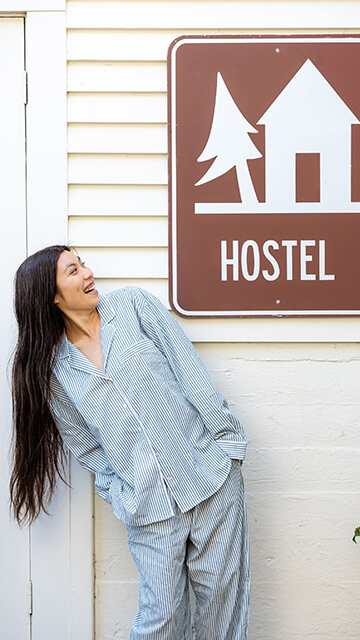
The starting point here is really “anyone who wants a hostel experience without the parties.” In addition, the previously mentioned introverts, adults, sober folks, families, and school groups may all find a classic hostel better suited to their travel styles. Digital nomads and anyone else who needs to get some remote work done during their travels may also prefer the classic hostel experience, since it’s more likely to provide a restful environment at night and dedicated work spaces during the day.
If you’re not sure what the classic hostel experience is all about, you can get an introduction and find lots of educational resources on our New to Hostels page.
How to Spot a Classic Hostel (Before You Book)
Just as with finding party hostels, there are some straight-forward research tactics you can use to identify hostels offering a more classic experience.
Classic Hostel Property Descriptions

These types of keywords tend to signal a hostel that prioritizes a good night’s sleep, shared facilities, and a more relaxed, communal atmosphere.
- “Quiet Hours”: If the hostel makes a note of quiet hours (e.g., “11:00 p.m. to 7:00 a.m.”), it’s not hosting late-night parties. Quiet hours mean you’re more likely to get a good night’s sleep.
- “Guest Kitchen” / “Communal Dining”: Indicates a culture of sharing meals and conversation rather than just drinks. Lots of party hostels don’t have guest kitchens because it’s expected guests will eat their meals while out and about.
- “Relaxed,” “Peaceful,” “Laid-back,” or “Cozy”: These descriptors may feel obvious, but if a hostel goes out of their way to use them, it’s safe bet that it’s not a party hostel.
- “Family-Friendly” or “All Ages”: Hostels that welcome guests of all ages usually have a more mellow, less party-centered vibe.
- “Work-Friendly” / “Digital Nomad-Ready”: To be appealing to digital nomads, a hostel needs dedicated quiet workspaces, not to mention assurances that you can get a good night’s sleep without being awoken by party noise. Related phrases to look for include “Library,” “Dedicated Work Space,” or “Quiet Areas.”
- “Remote,” “Off the Beaten Path,” “Small Town,” or “Surrounded by Nature”: While it’s not a hard-and-fast rule, party hostels tend to be located in cities or major tourist destinations. That little coastal hostel with cottage vibes, or the one that touts its easy access to hiking trails, is probably not a party hostel.
- “Nonprofit”: OK, this one’s specific to HI USA, but it’s an important distinction. Wild nights and loud parties are not really our thing. As a nonprofit organization promoting global citizenry, we’re more about volunteer-led neighborhood walking tours and chilled-out welcome events where you can sit down and get to know fellow travelers.
Photos and Videos

Again, you can look for visual clues on hostel websites, booking sites, or social media. Photos or videos showing some combination of the following are a good sign you’re looking at a more classic hostel:
- People using the hostel space to relax or chat with others
- People working on laptops or tablets
- Kitchens that look like you could actually make a meal in them
- Hints at lower-key activities, like board games or books
Reviews
The “classic hostel” hints can be a little more subtle to pick out in guest reviews, but they’re there. Look for guests talking about their relaxing stay or the great night’s sleep they had, or how much they learned about the local community or culture on a hostel-led walking tour.
So, Are HI USA Hostels Party Hostels?
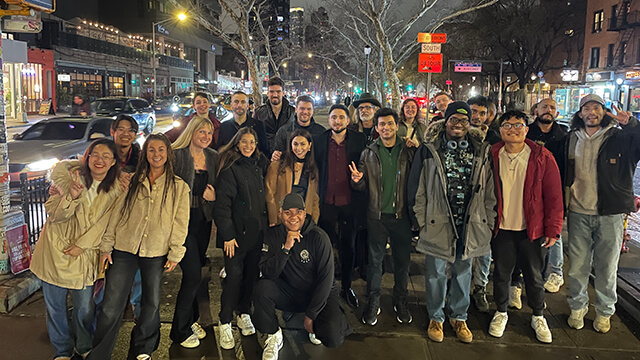
No, HI USA hostels aren’t party hostels. While we want our guests to have a good time, in our hostels that looks like meeting other travelers over a shared meal in the hostel dining room or being well rested enough to take on a full-day walking tour of the city. Some HI USA hostels do offer on-site bars or guided pub crawls to help you socialize with other travelers, but we keep it mellow and call it a night in time for hostel-wide quiet hours. And while we do host events like welcome parties, trivia nights, and cultural celebrations at some hostels in major cities, the goal is always to help guests learn more about other cultures or the community they’re visiting — not to overindulge. Since HI USA’s founding in 1934, it’s been our mission to help travelers gain a greater understanding of the world and its people through hostelling. That’s what we hope you’ll still find in our hostels today.
Choosing Your Own Adventure
There’s no “right” or “wrong” way to hostel – it’s all about what fits your individual needs for your specific trip. The good news is, once you know what you’re looking for, it’s easy to find it. Pay close attention to hostel descriptions, guest reviews, and photos and videos on social media and beyond, and be honest with yourself about what kind of environment you want. Then, book with confidence and get out there and travel your way.